
Written by Aaron Gupta
The Managing Director of Kanegrade, Aaron has over a decade of experience in Flavours, Natural Colours and Fruit Powders as well as other ingredients. Passionate about technical, regulatory and quality matters, as well as delivering great taste experiences with consumer products.
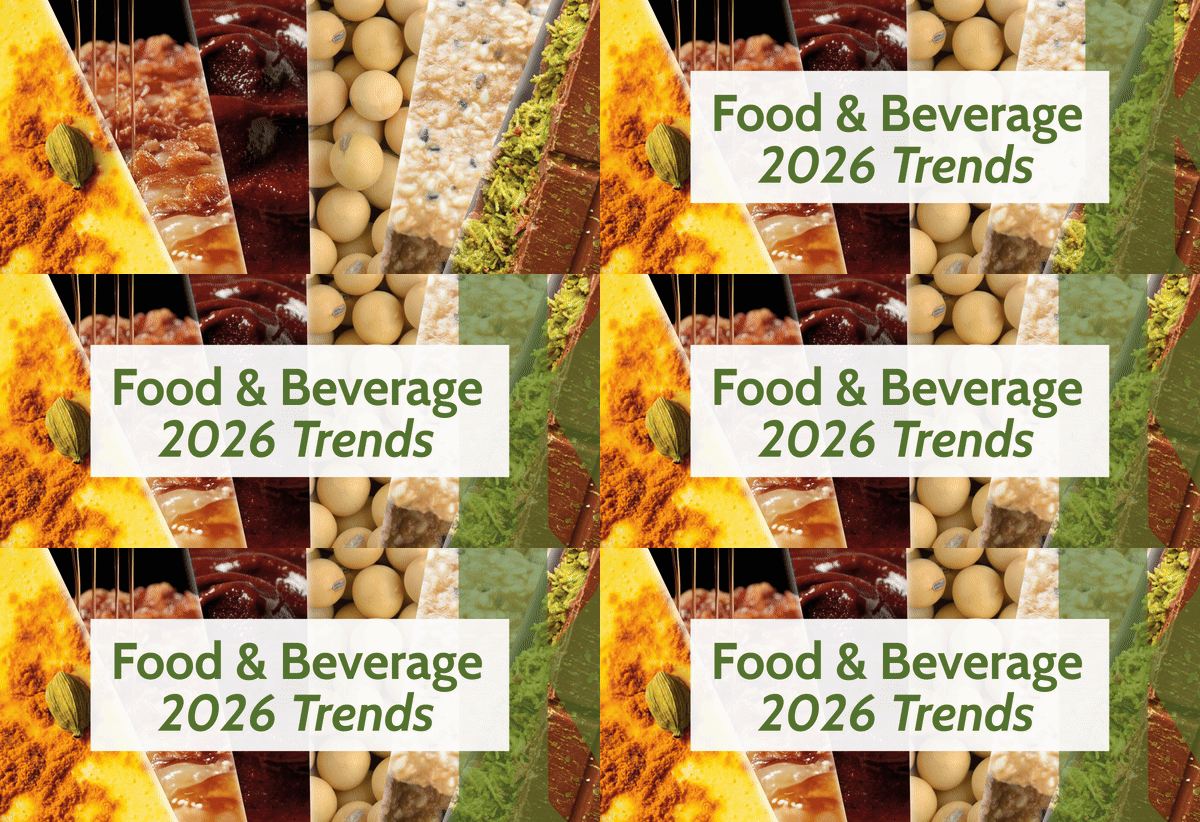
At Kanegrade, we’ve spent the past year looking at ingredient innovation, visiting conferences, speaking to our fantastic customers across five continents, and keeping a close eye on what’s launching in markets from Shanghai to São Paulo to Stevenage. This work has given us insight into what will drive food and beverage product development in 2026.
We’ve spotted six macro trends across flavour, texture, colour, and wellness that we believe will define the successful launches this year, and we’re sharing them with you below.
1. Warm Colour Psychology
2. Maximalist Flavour + Unique Acids
3. Textural Theatre
4. Digestive Wellness 2.0
5. Hyper-Country-Specific Authenticity
6. Next-Gen Plant-Based
1. Warm Colour Psychology

Colour psychology will shape how people shop in 2026, particularly as global uncertainty rises. Orange and yellow hues will signal warmth and optimism – appearing across citrus-focussed beverages, golden soups, roasted vegetable dishes, and turmeric-based drinks. When times feel uncertain, consumers will seek comfort and reassurance through their food choices. These warm palettes will emotionally communicate safety and nourishment in ways that neutral, minimalist packaging simply can’t.
Industry research backs this up: orange and yellow “visually capture warmth and creativity” whilst supporting health claims around digestion, heart health, and cognitive support. You’ll see warm hues appearing in naturally pigmented confectionery – butterscotch, caramel and honey-sweetened snacks. Even on trending colour palettes, clean simplicity will be punctuated with warm accents that pop.
Look out for:
• Golden turmeric lattes with black pepper and natural honey sweetness, using beta-carotene for vibrant colour
• Carrot and ginger smoothies with warm spice complexity and natural orange hues from carrot concentrate
• Energy bars sweetened with dates and sorghum syrup in golden packaging, using natural caramel colours
2. Maximalist Flavour + Unique Acids

Restraint is out. Bold, multi-sensory experiences with unexpected combinations will inspire development in 2026. Hot honey on pizza, mango with chilli crisps, cherry-lime and blue raspberry making a comeback in mints and energy drinks and fruit-forward heat bleeding across sweet and savoury categories. This maximalist approach extends to unique acid sources – sudachi (Japanese citrus), calamansi (Filipino lime), verjus (grape must), and sumac – that cut through richness and create real flavour impact.
Spicy dill pickle (very Gen Z, very much here to stay) will pop up in ranch seasoning mixes, chip dust, brined nuts, and fermented beverages. The trend also embraces experiential indulgence: “dirty sodas” – craft soft drinks layering syrups, exotic spices, and surprising flavour mashups – will exemplify this maximalist philosophy. Consumers are actively hunting for products that deliver visual spectacle alongside sensory complexity.
Industry trends identify “More Is More” approaches – opulent, offerings – as sitting comfortably alongside premium craftsmanship. Brands willing to layer flavours boldly rather than playing it safe will win. Complexity, not simplicity, will reward adventurous palates.
Look out for:
• Tropical fruit and chilli crisp seasoning blends for savoury snacking, featuring mango-habanero and pineapple-sriracha profiles
• Multi-layered soft drinks featuring exotic citrus (calamansi, sudachi) and spice syrups for “dirty soda” experiences
• Fermented fruit and botanical beverages with complex acid profiles, combining hibiscus, sumac, and verjus for sophisticated tartness
3. Textural Theatre

Viral food trends will grab attention through textural surprise. Dubai chocolate – pistachio cream, crunchy kataifi, milk chocolate – saw 1,259% year-on-year social media growth – surprised consumers by combining contrasting textures.
What’s coming in 2026: texture mashups will become permanent fixtures. Soft meeting crunchy, creamy against crisp, flake giving way to gooey centre – these layered experiences drive loyalty. Three-quarters of younger consumers say texture influences their cravings (i.e. seeking crunch). Social media keeps amplifying this obsession – #CrunchTok exceeds 1.5 billion views, whilst searches for specific texture combinations hit triple digits year-on-year.
Consumer research is clear: 71% say texture plays a key role in enjoyment, and 67% actively seek novelty in mouthfeel.
Look out for:
• Chocolate bars with shattered toffee layer atop whipped ganache and crispy quinoa inclusions
• Crispy-exterior-soft-centre biscuits engineered with stabilising systems for bakery-fresh texture after 12 weeks
• Layered jelly and mousse desserts with plant-based formats, combining tropical flavours and contrasting crunchy inclusions
4. Digestive Wellness 2.0
Gut health has moved from niche concern to the foundation of overall wellness. For years, protein dominated nutrition labels. In 2026, fibre looks set be the new macro-nutrient sought by consumers and used on packs to support their food and beverage products.
A significant number of adults globally are using GLP-1 drugs (Ozempic, Mounjaro etc.) and actively seeking nutrient-dense foods that naturally increase satiety. Over half of consumers plan to prioritise gut-friendly foods this year, with 60% actively adding more fibre to their diets.
Fibre supports the hunger suppressing medication by naturally stimulating the GLP-1 hormone. This creates a dual opportunity: products that support medication users whilst also appealing to the broader wellness market.
Industry forecasts point to “fibre frenzy” spreading across categories, with major retailers launching dedicated “nutrient-dense” ranges. Research confirms fibre is the rare nutrient that serves both weight management and digestive wellness simultaneously.
Look out for:
• Chicory root and oat-enriched crackers with 5g prebiotic fibre per serving and live culture claims
• Cassava-based pasta delivering 8g+ fibre per serving using upcycled pea hull fibre
• Kombucha-infused energy bars with postbiotic peptides and natural berry flavours
5. Hyper-Country-Specific Authenticity

Consumers are moving past vague regional categories. It’s not “Asian flavours” – they want Filipino, Thai, or Laotian specifically. It’s not “Latin”, they want Peruvian.
Middle Eastern and North African cuisines are surging, with za’atar, sumac, baharat, and berbere spice blends entering mainstream grocery aisles across snacks, prepared foods, and sauces. Condiments like zhug (green herb sauce), muhammara (roasted red pepper walnut dip), and baba ghanoush are moving from specialist items to staple categories.
Kerala-specific Indian cuisine (turmeric, curry leaves, tamarind) is emerging as the next breakout global trend, whilst gochujang launches in the US have grown 120% year-over-year. Sichuan peppercorns are moving from Asian aisles into mainstream condiments across Europe and North America. “Mala” – that numbing heat of Sichuan spice – is now a condiment category in its own right, appearing in noodles, snacks, pizza, and chips globally.
Look out for:
• Spiced za’atar roasted legume snacks with citrus brightness and sesame crunch
• Herb-forward green condiment blends inspired by Levantine traditions, using preserved lemon and coriander
• Gochujang-mango sauces for grilled proteins and vegetable bowls, combining Korean fermentation with tropical fruit
6. Next-Gen Plant-Based
Plant-based has crossed a critical threshold. The “texture problem” that plagued early innovations is now solved. Consumer concerns about taste dropped from 41% in May 2023 to just 27% by late 2024.
Texture concerns fell from 30% to 15%. Simultaneously, 36% of consumers now actively enjoy the taste of plant-based products – triple the figure from three years ago. This year the category will mature from “meat replacement” to a genuine alternative protein platform with distinct sensory benefits.
The breakthrough is happening in two spaces. First, mycoprotein which is a protein derived from fungi fermentation, is hitting price parity with chicken and spreading across categories. Quorn and others have moved beyond meat analogs into everything from seafood alternatives to neutral protein platforms for formulation. Mycoprotein is projected to grow from $761.8 million in 2025 to $1.4 billion by 2035.
Second, hybrid formulations are deliberately blending plant proteins with precision fermentation and cultured protein ingredients, delivering sensory parity and aiming to resolve the negative sides of plant-based foods.
What’s crucial: 2026 sees plant-based moving from “trying to replace meat” to driving ingredient innovation in its own right.
Look out for:
• Mycoprotein-based ready meals and convenience foods reaching mainstream retail at price parity with conventional alternatives
• Hybrid plant-protein nuggets and patties combining mycelium texture with pea and soy proteins for superior mouthfeel
• Precision-fermented seafood and fish analogs using optimised plant-protein scaffolding with cultivated flavour compounds
We look forward to seeing these trends develop into the latest food and drink products in 2026.
As a natural ingredient supplier since 1980, Kanegrade has worked with hundreds of brands to create leading food and beverage products. Whether you’re innovating around digestive wellness, engineering textural contrast, sourcing authentic global flavours, or developing next-generation plant-based formulations, we have the ingredients, expertise, and partnerships to help you. Get in touch with us for your next ingredient requirement.